Korean language
Many students begin at a university language institute. Check whether your programme is taught in Korean or English and the TOPIK level it requires.
Preparing your next chapter…
03 / Study destinations
Compare Korean-language programmes and university degrees, the TOPIK level each one expects, living costs and the current student visa rules.
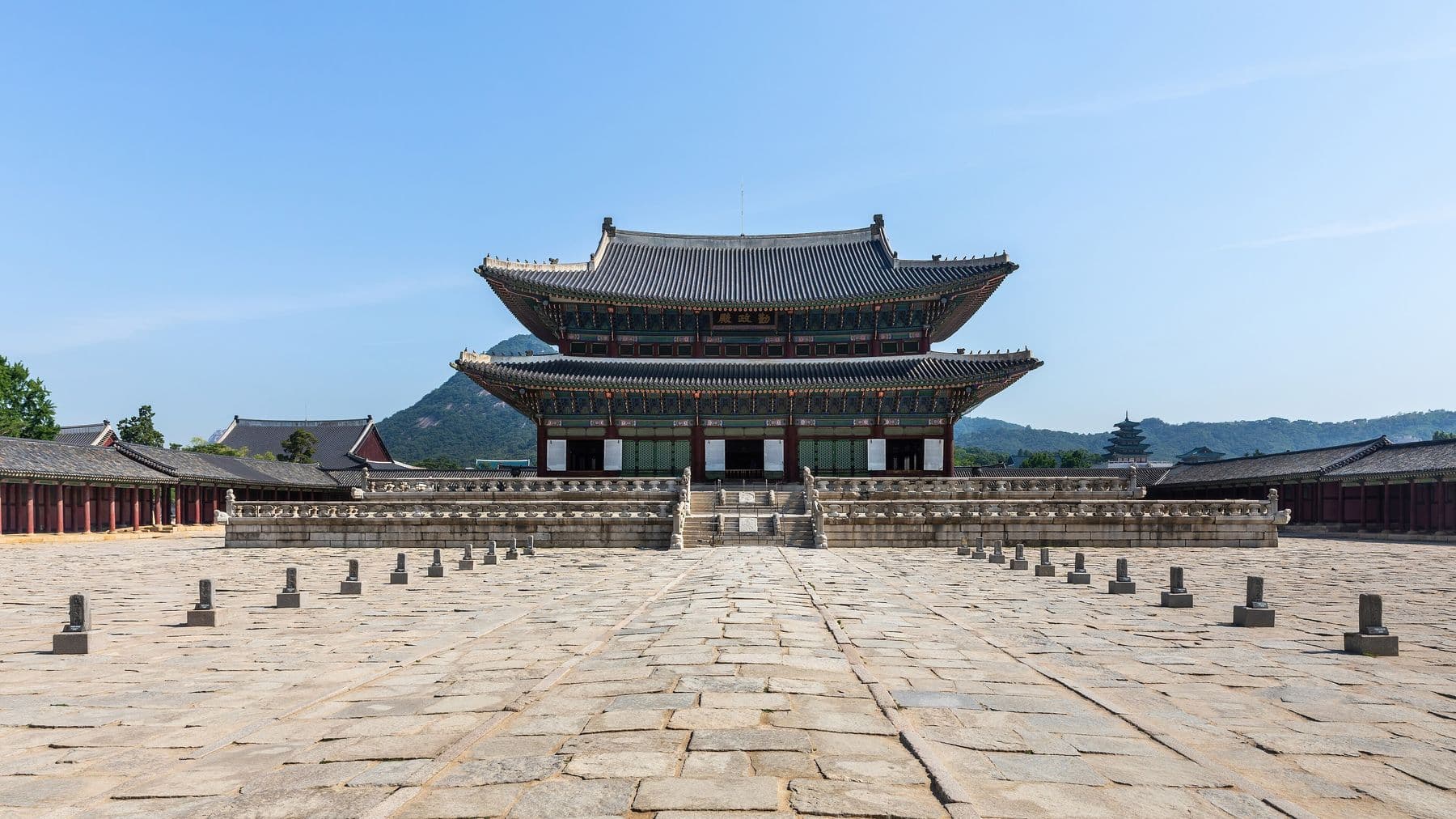
Photo: Basile Morin / Wikimedia Commons, CC BY-SA 4.0
Every programme and institution has its own criteria. Use our guidance to structure your research, but check official rules, course entry requirements and published fees before you apply.
The important considerations
Many students begin at a university language institute. Check whether your programme is taught in Korean or English and the TOPIK level it requires.
Compare universities, intake dates and tuition, and research scholarships such as the Global Korea Scholarship (GKS).
Language-training and degree students apply under different visa types. Confirm current requirements on official Korean government sources.
Make it manageable
There is no universal application. Build your list around the programme and your circumstances.
Application document guideVerify the rules
Visa policies change. For the latest rules, go directly to the responsible authority.
External government guidance. Check the publication date and personal eligibility before acting.
A question worth asking
Not always. Some degree programmes are taught in English, but many require a TOPIK result, and daily life is easier with Korean. Check each programme’s published language requirement.
Keep exploring
Let’s get started
Bring your questions. Explore your options without rushing the decision.